


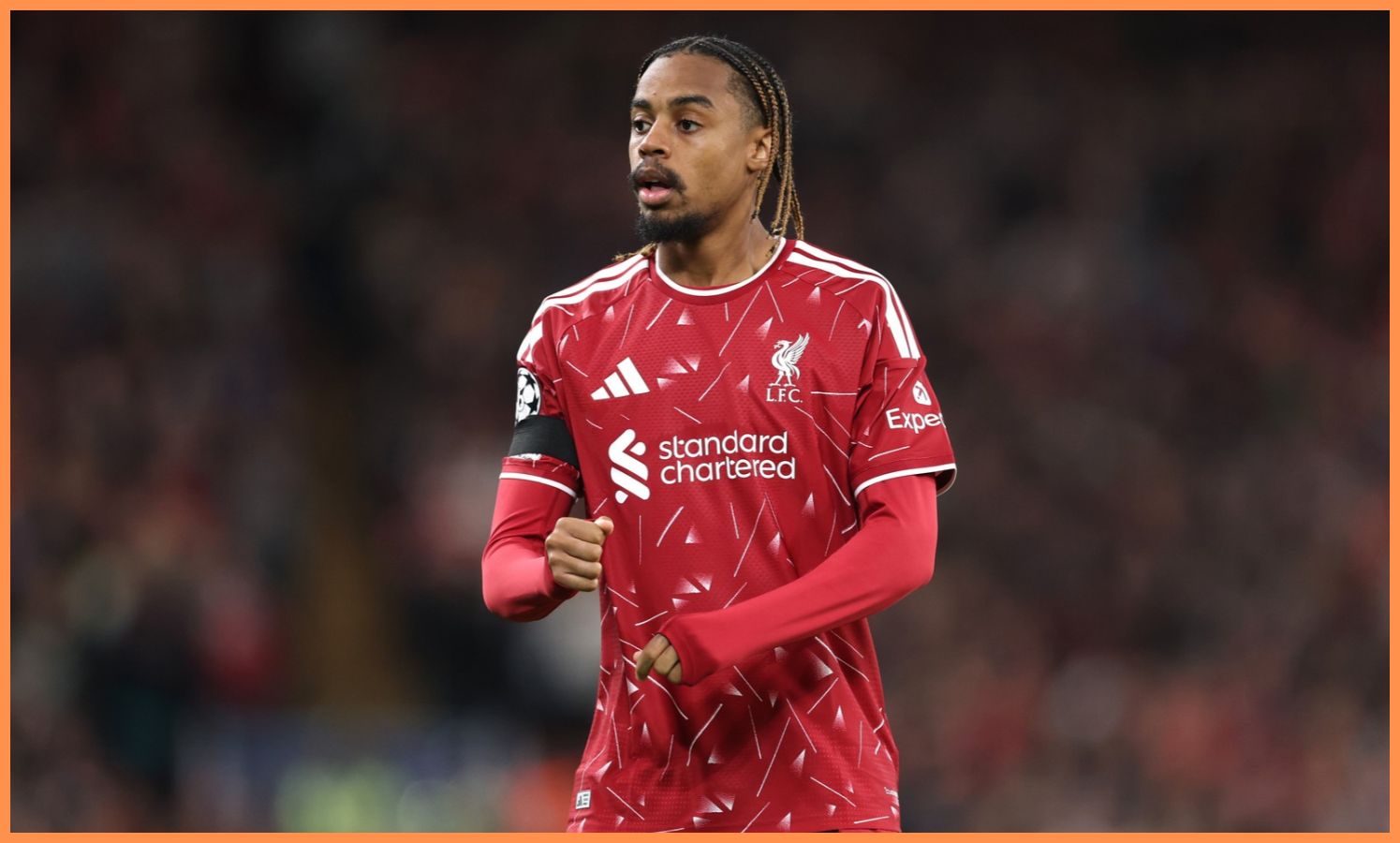
Bradley Barcola joined Liverpool from Paris Saint-Germain this summer for £106m. He also joined them for £123m.
Do you think it’s a mistake? It isn’t. Both figures ran in reputable places, and neither was wrong. The lower number is what Liverpool agreed to pay, whatever happens next. The higher one adds the extras that only land if he plays enough games, scores enough goals, or wins the right trophies.
A fee is the settlement of an argument between two clubs, several sets of accountants, at least one agent, a few third parties with historic claims on the player, and a calendar.
Talent is the reason the argument starts, but it rarely decides where it ends.
All of this is worth knowing before you back up a freshly transferred player’s club on a no-KYC betting site. A nine-figure fee shifts the odds and the expectations around a player, but the number often says more about two balance sheets than about how good he is. Expensive and good are not the same thing.
Here’s what’s hidden behind the number.
The headline fee is a negotiated fiction
Almost no big transfer is a single payment. The structure usually runs as a guaranteed fee paid in installments over two or three years, plus add-ons triggered by appearances, goals, qualification for Europe, or an international call-up. The selling club briefs the top number. The buying club briefs the bottom one. Journalists print whichever they were given first.
For example, Sandro Tonali’s move from Newcastle to Tottenham was reported as £92.5m in some places and £100m in others. That £7.5m gap is the difference between what the buyer has committed to and what the seller might eventually collect, and the two clubs have opposite reasons for wanting their version quoted.
There’s something neatly circular about the triggers themselves. Appearances, goals, European qualification: these are the same events the markets price all season long. A club waiting on a £10m installment and someone holding a Bitcoin betting slip on that striker’s goal tally are, in a narrow sense, watching the same games for the same reason.
So when supporters argue about whether a player was worth the money, they’re often arguing about a number that doesn’t exist yet.
Other people already own a slice
Before the selling club sees a penny, two deductions apply.
The first is FIFA’s solidarity mechanism. On any transfer with an international element, 5% of the compensation is withheld and distributed among every club that trained the player between the ages of 12 and 23. A Brazilian academy that had a lad for two seasons at 15 gets a cheque when he moves for £70m at 28. It’s one of the few genuinely redistributive things in the sport.
The second is the sell-on clause, and it’s usually much bigger.
When Newcastle sold Bruno Guimarães to Arsenal for £75m in August, Lyon were entitled to 20% of the profit on the deal. Newcastle had paid roughly £38m for him in 2022, so Lyon collected around £7.4m for a player they’d sold four and a half years earlier. Newcastle banked closer to £67.6m than the £75m everyone read.
Sell-on clauses are the tax on selling clubs, and they compound. A player can pass through three clubs and leave a trail of percentage claims behind him, each one shaving the next club’s return. Smart selling clubs negotiate them hard, but desperate ones give them away.
The date often matters more than the player
This is the variable most fans underrate, and the Elliot Anderson story is the cleanest illustration in recent memory.
In June 2024, Newcastle needed profit on their books before the Premier League’s accounting deadline. Anderson was an academy graduate, which in football accounting means his sale registers as almost pure profit. So he went to Nottingham Forest for £35m, with Odysseas Vlachodimos moving the other way for £20m in a linked deal that helped both clubs’ numbers.
Two years later, Forest sold Anderson to Manchester City for £116m, a record for a British player. Newcastle received nothing from it.
A selling club normally protects itself against exactly this by keeping a sell-on clause, a slice of whatever the next move brings in. Newcastle didn’t have one. They had pushed the price as high as Forest were willing to go in order to bank the cash before the deadline, and a buyer already paying over the odds has little reason to hand back a share of the future on top.
That’s £81m of value created in 24 months, captured entirely by the club that happened to be solvent in the right week.
The reason that deadline exists is worth spelling out. Under the Premier League’s old Profitability and Sustainability Rules, a club could lose no more than £105m across three seasons, measured against accounts that close at the end of June. A sale completed on 29 June landed in one set of books. The same sale on 1 July landed in the next. For a club sitting near the limit, that single day was worth tens of millions, which is why every June brought a rush of deals nobody actually wanted to do.
The Premier League has now swapped those rules for a Squad Cost Ratio, which caps spending on wages, transfer fees and agent fees at 85% of a club’s football revenue. Profit from selling players still counts towards how much a club is allowed to spend, and the accounting year still ends in the summer. The deadline is still here, but the sum being balanced against it has changed.
So, sure, clubs plan the marquee sales well in advance so the deadline can’t rush them, but the ordinary squad player is the one who gets undersold because the date happened to fall near the deadline.
The accountant prices the player too
A transfer fee doesn’t hit a club’s accounts in one lump. It’s amortized, spread evenly across the length of the contract. Sign someone for £100m on a five-year deal, and the books absorb £20m a season.
Chelsea worked out that the maths gets friendlier the longer the contract. When they signed Enzo Fernández from Benfica in January 2023 by meeting his €121m release clause, they handed him an eight-and-a-half-year deal running to 2031. The £106.8m fee therefore cost roughly £12.6m a year.
UEFA closed that door in 2023, and the Premier League followed in December of the same year, capping amortization at five years regardless of contract length.
Which is why Chelsea’s sale of Fernández to Manchester City for £125m on deadline day reads so oddly.
Amortization cuts both ways. Each year a club writes off a slice of the fee as a cost, and the value recorded against that player on its books drops by the same slice. Chelsea were writing off roughly £12.6m a season. By the time City came in, three and a half years of that had already been absorbed, leaving Fernández carried at somewhere around £64m rather than the £106.8m he cost.
Profit gets measured against that written-down figure, not against the original outlay. So the £125m sale looks like an £18m gain if you only count the cash, and closer to £60m of profit in the accounts that decide how much Chelsea can spend next. The long contract that softened the cost on the way in ended up flattering the profit on the way out.
Release clauses expire
Fans treat release clauses as permanent price tags. They’re contractual terms with conditions attached, and the conditions are where the power sits.
Guimarães had a £100m clause at Newcastle. It could only be triggered during the summer of 2024, and when nobody paid it, it lapsed. Two years on, Arsenal negotiated him for £75m with no clause to hide behind. The clause that expires unused is a fixture of modern contracts, and it’s why agents fight over activation windows as hard as over the figure itself.
Spain is the outlier. Under Royal Decree 1006/1985, a player can unilaterally terminate his contract by paying compensation, and clubs write a number into the contract so a court doesn’t have to invent one. It’s why every La Liga deal carries a buy-out figure, and why some of them are absurd enough to be decorative.
And then there are the agents
Premier League clubs paid a record £460m in agent fees between February 2025 and February 2026, up 13% on the previous year. Chelsea alone accounted for £65.1m.
That money doesn’t show up in the transfer fee. It sits alongside it, and on a big deal the commission can be a meaningful fraction of what the selling club receives. FIFA tried to cap it in 2023 and ran into competition lawyers in England, Germany and Spain. The Court of Justice of the European Union finally ruled on the case in July 2026, and rather than settling it, sent the core questions back to a national court to decide whether the restrictions can be justified. The cap’s future is still open.
What the numbers tell you
A transfer fee is a snapshot of four things at once: how much a club wants a player, how badly the other club needs cash this month, how much history is still attached to the contract, and what the accounting rules permitted on the day.
Talent sets the range, and everything else picks the point inside it. So when the next fee lands and the arguing starts over whether he’s worth the money, it’s worth asking what else was in the room that day. His ability is only ever part of the answer.